

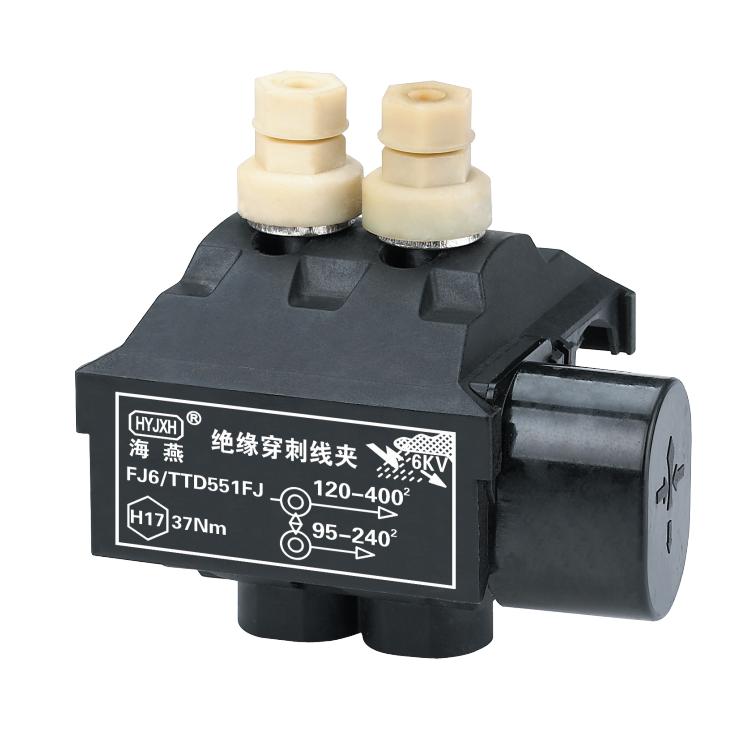
FJ6/TTD Series Branch Type Insulation Piercing Connector(1kV)
Typical applications include:
- Branching of building distribution insulated cables
- LV overhead insulated conductor connections
- Residential/commercial service entry branching
- Street lighting distribution networks
- Urban and rural network insulation retrofit projects
Product Features
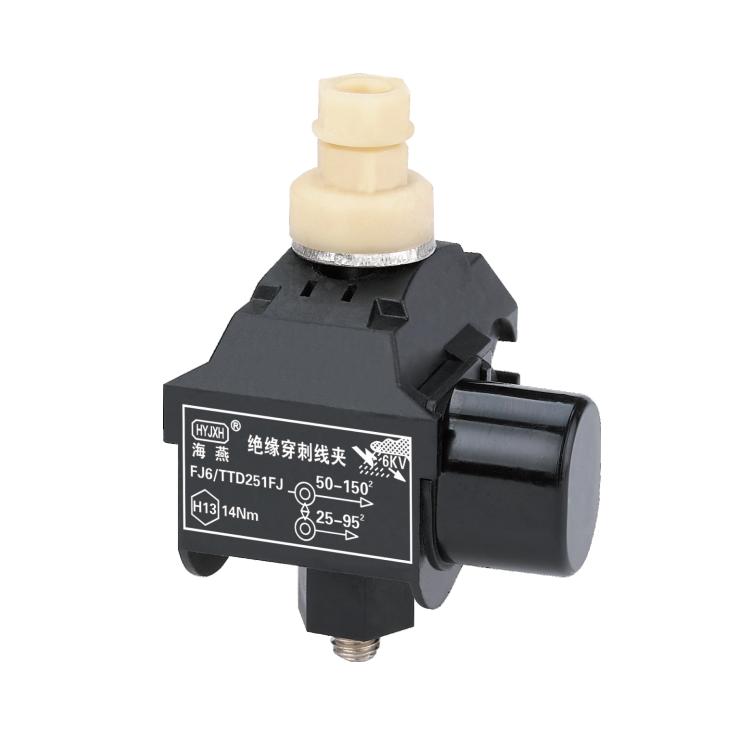
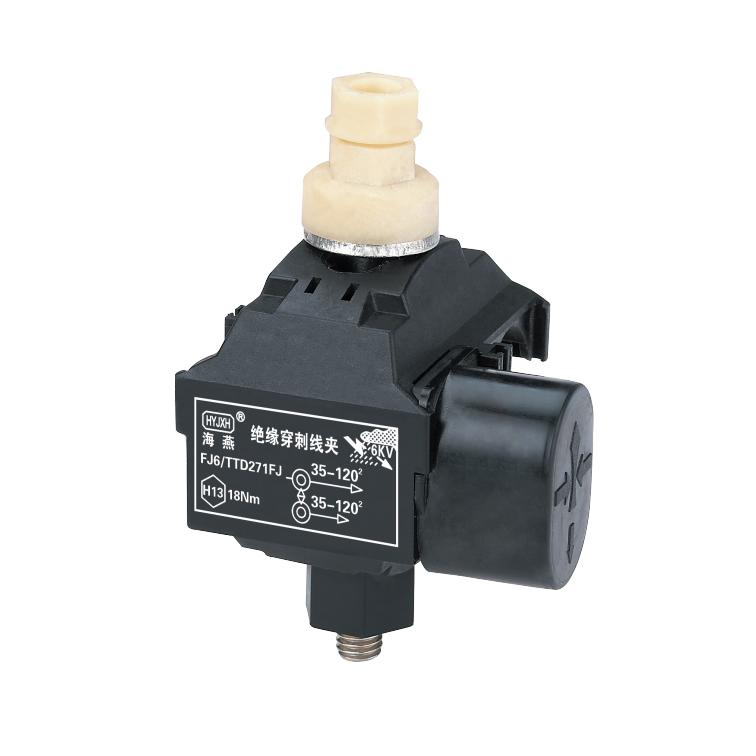
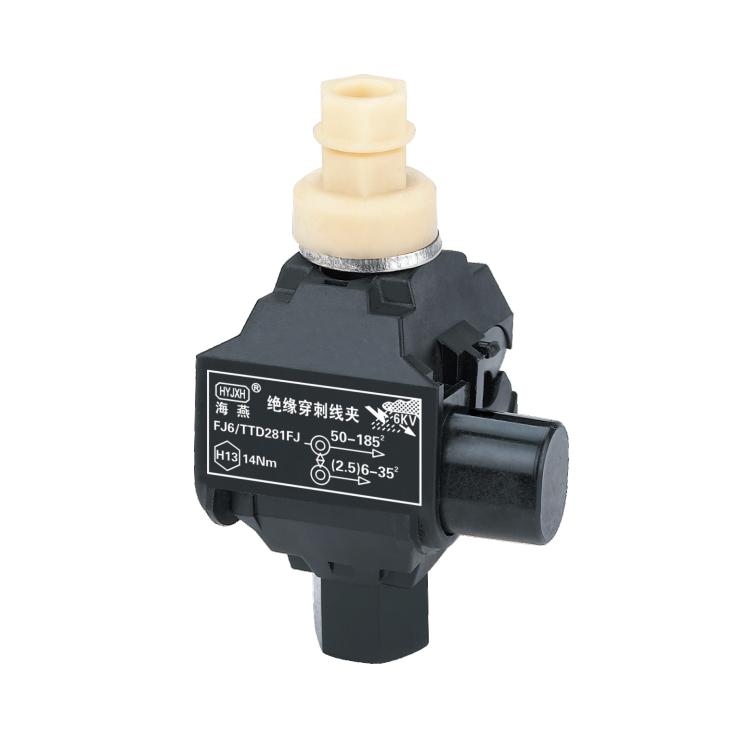
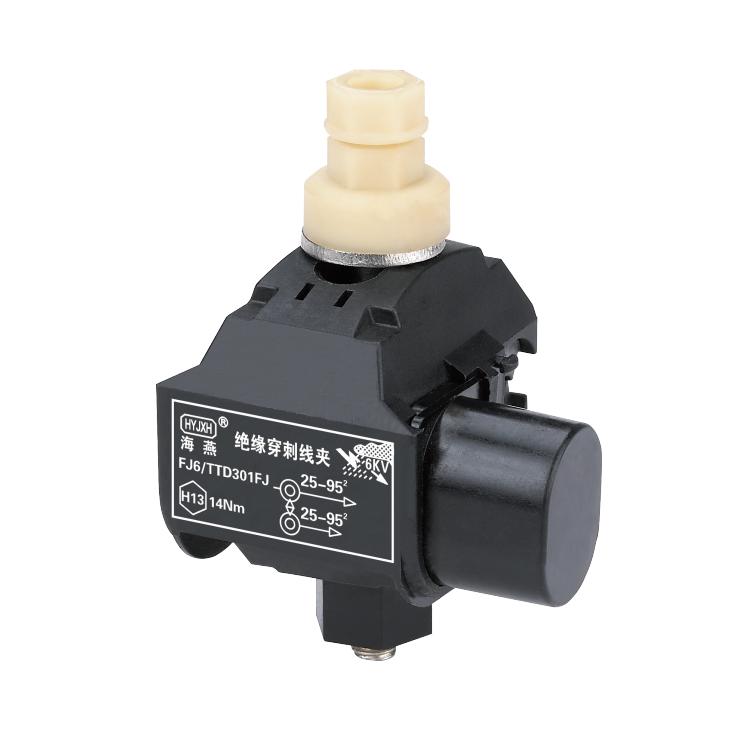
- No-strip installation: branching can be made at any point along the main conductor without cutting or removing insulation.
- Constant piercing pressure ensured by shear-head bolts, providing secure electrical contact and safe, reliable tapping.
- High-strength insulating body resistant to mechanical stress, vibration, climatic aging, and UV exposure.
- Waterproof performance: withstands 6 kV under submerged conditions with no breakdown.
- Corrosion-resistant bolts and hardware ensure long-term outdoor performance.
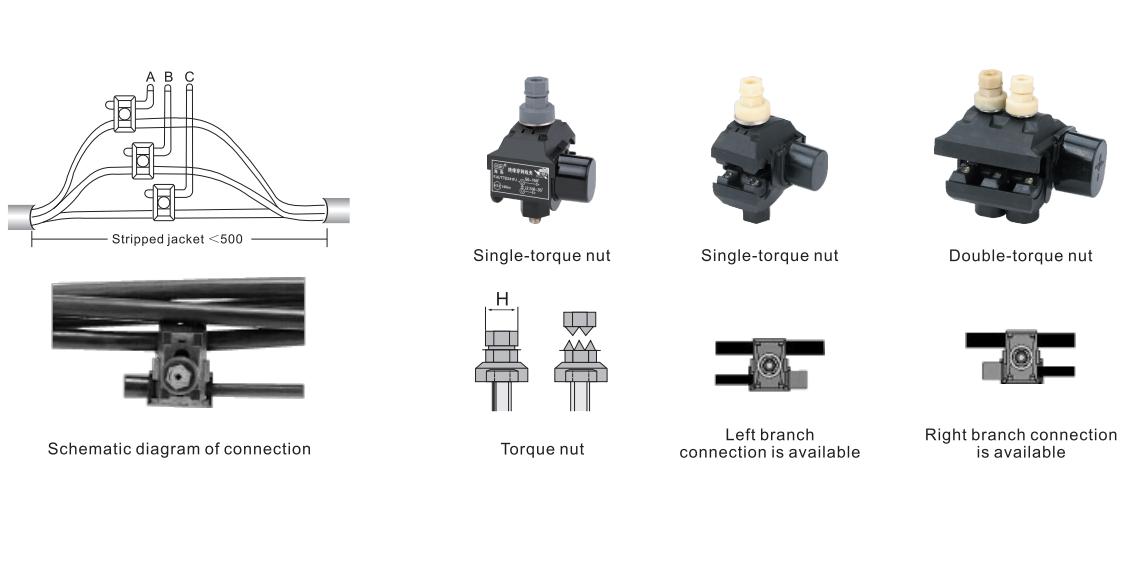
- Fully sealed construction with a waterproof branch end-cap; end-cap can be placed on the left or right side as needed.
- Applicable to insulated copper or aluminum conductors.
- Cost-effective installation: reduces required space, eliminates junction boxes, and avoids cable return routing in building applications.
Detailed introduction
Application
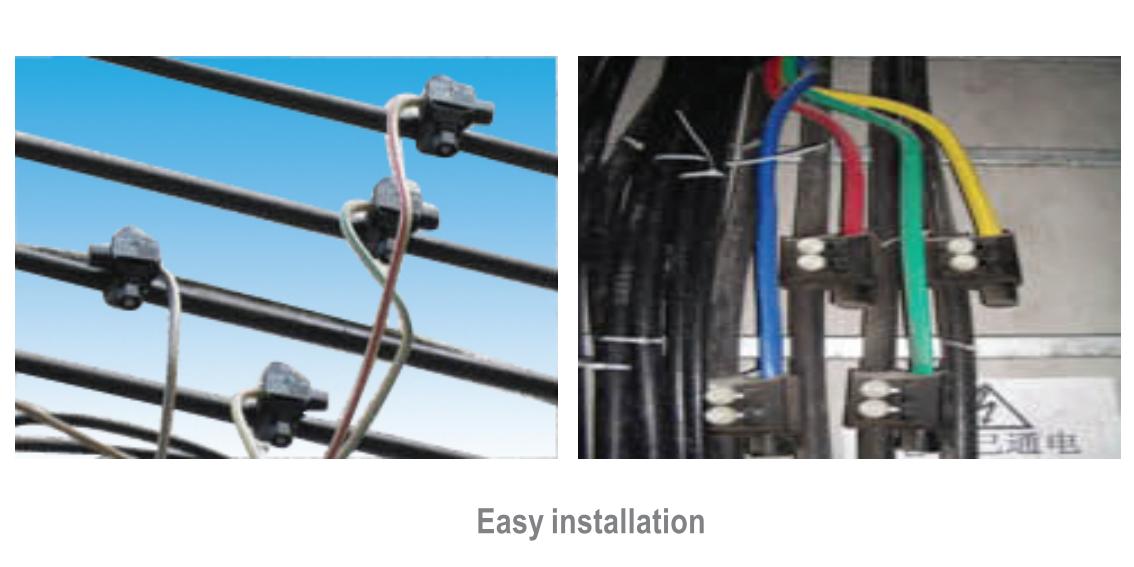
The TTD series insulation piercing connectors are used for the branching of insulated conductors in building distribution systems, low-voltage overhead networks, service entry cables, and street lighting circuits.
They support both live-line and de-energized installation and are suitable for insulated copper or aluminum conductors.
Key Specifications
 |
| ||||||||
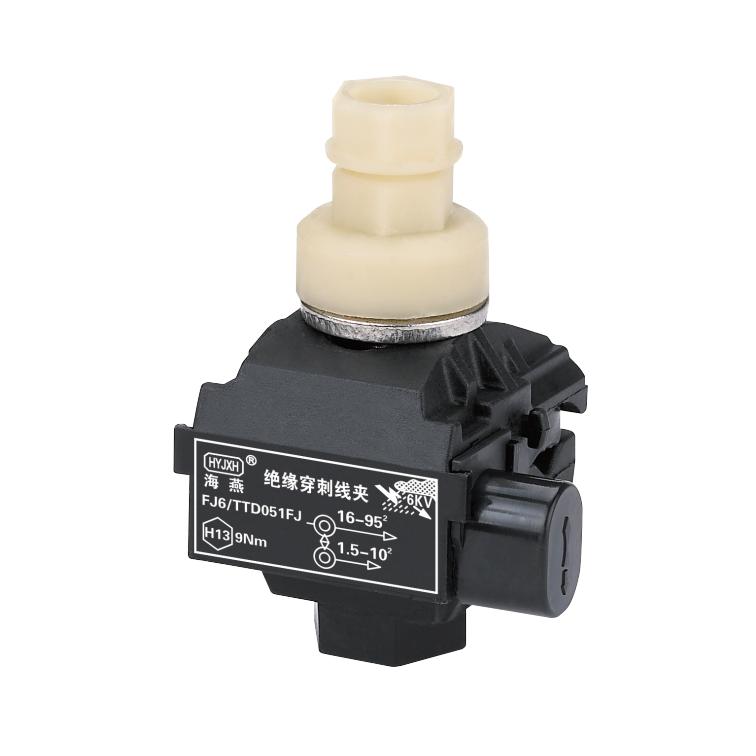 |
| ||||||||
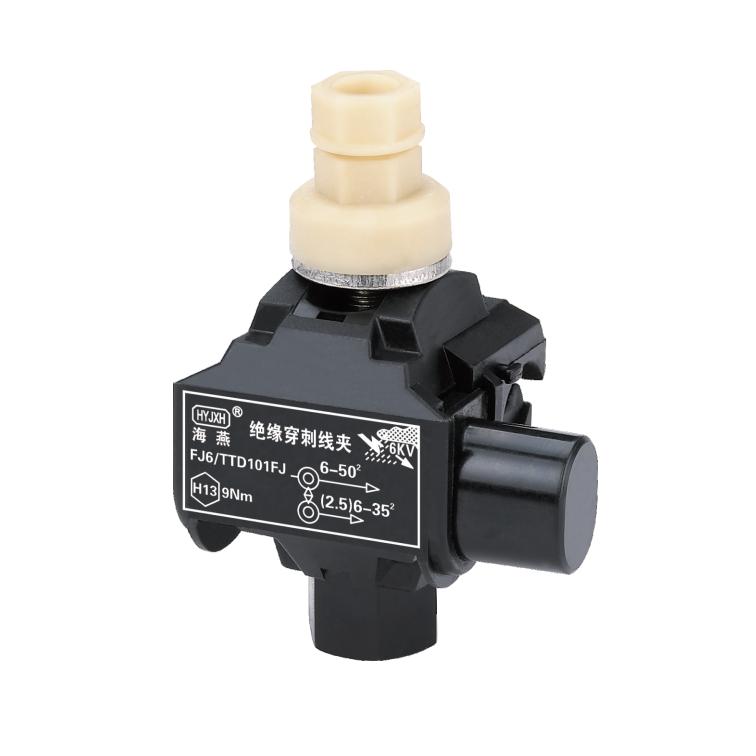 |
| ||||||||
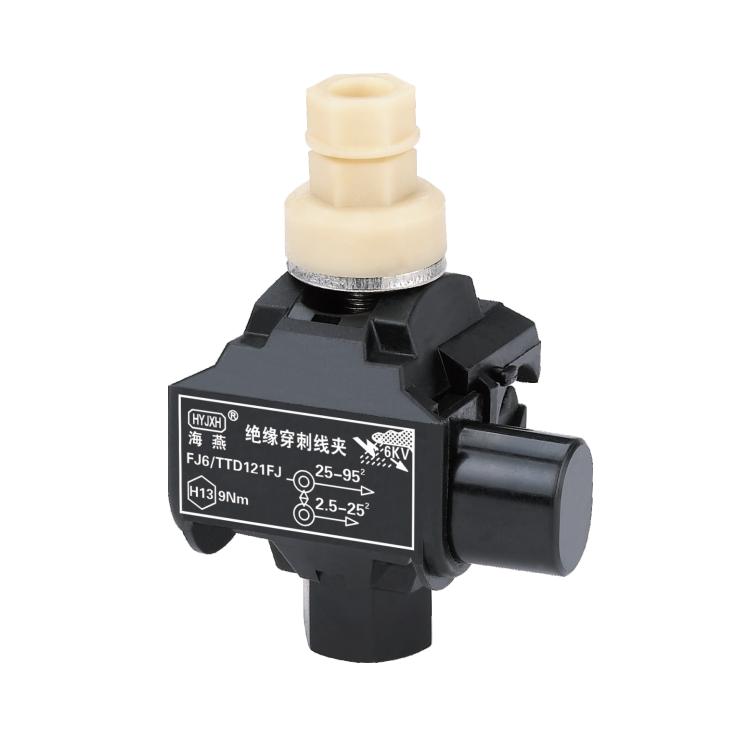 |
| ||||||||
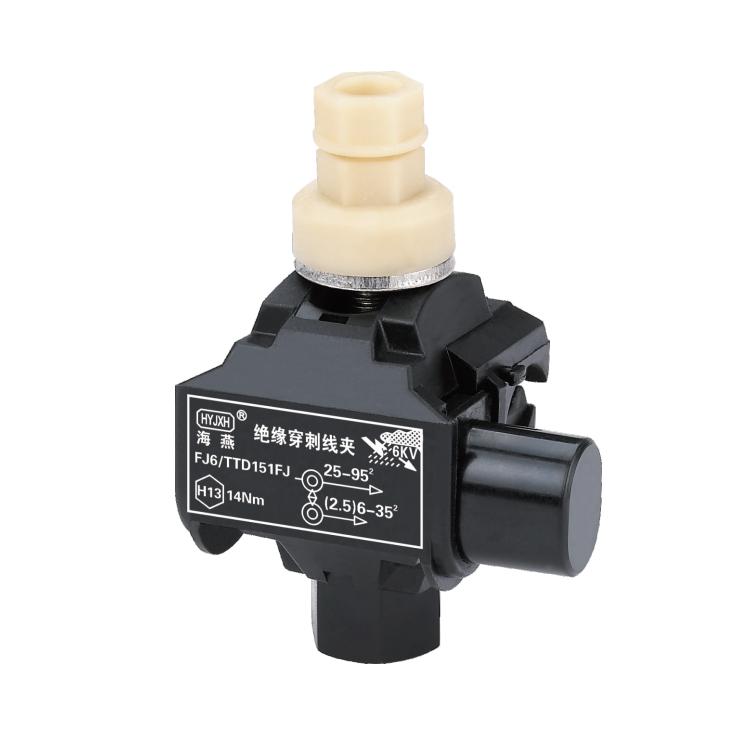 |
| ||||||||
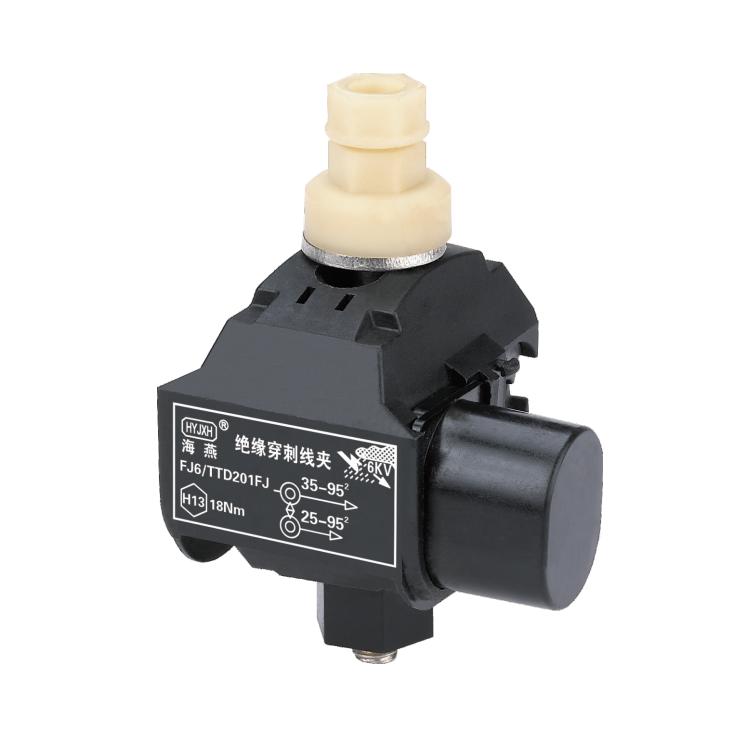 |
| ||||||||
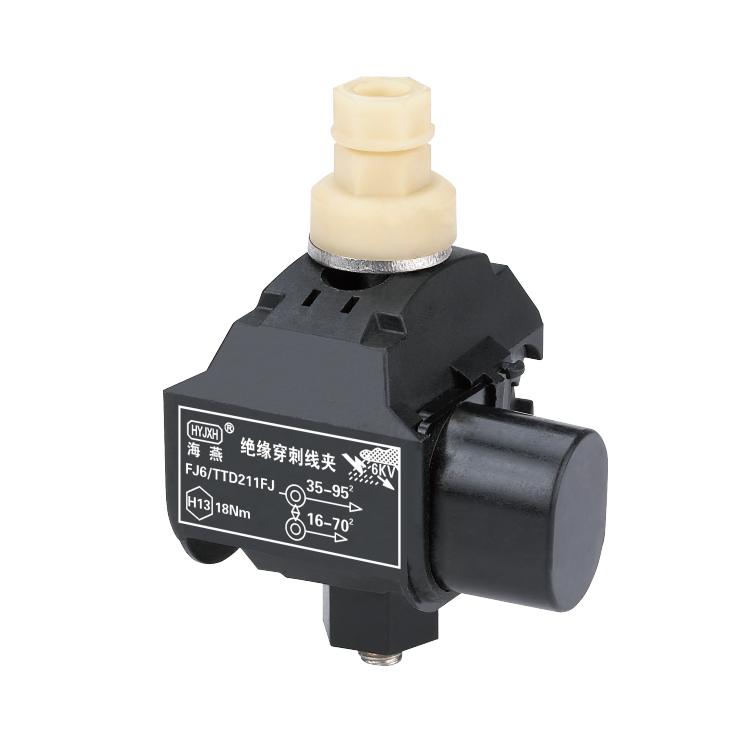 |
| ||||||||
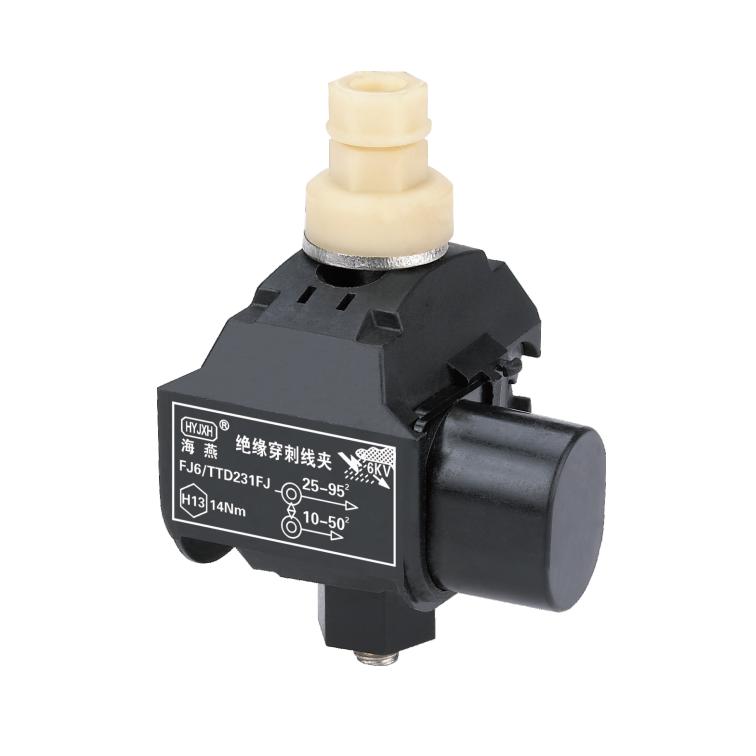 |
| ||||||||
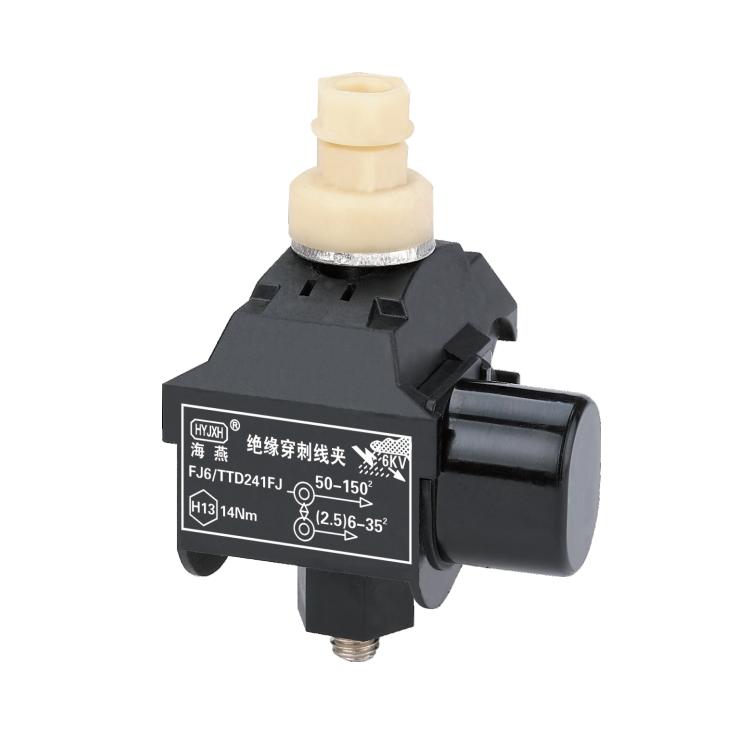 |
| ||||||||
 |
| ||||||||
 |
| ||||||||
 |
| ||||||||
 |
| ||||||||
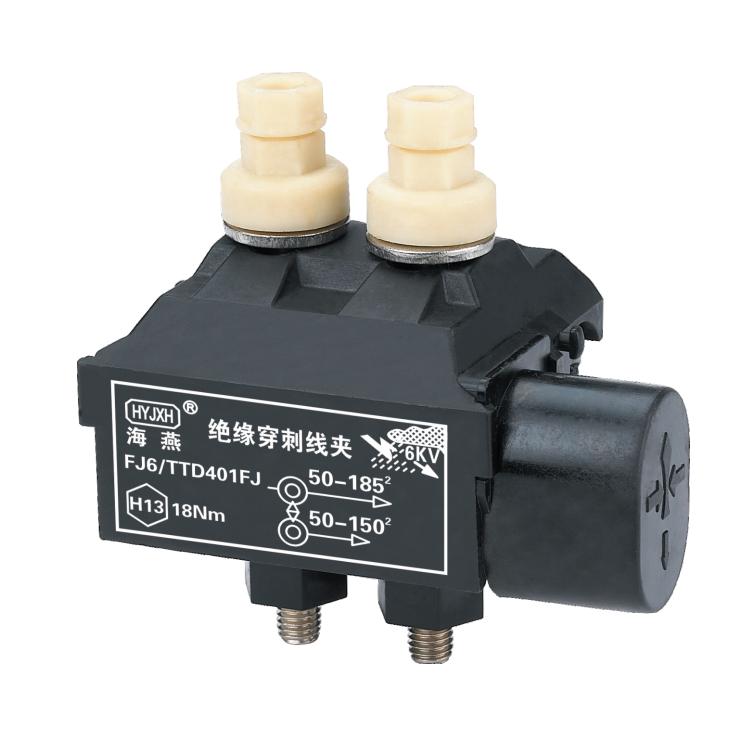 |
| ||||||||
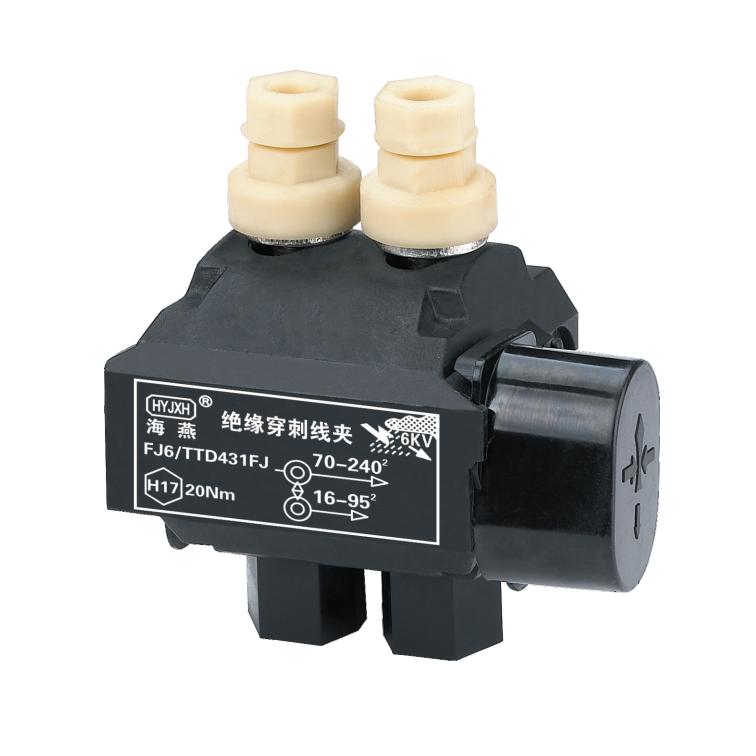 |
| ||||||||
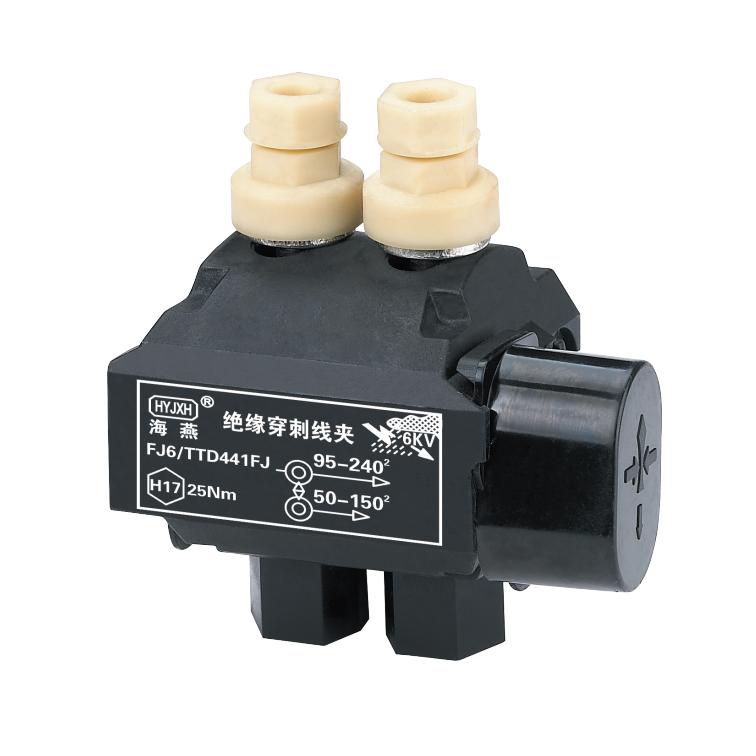 |
| ||||||||
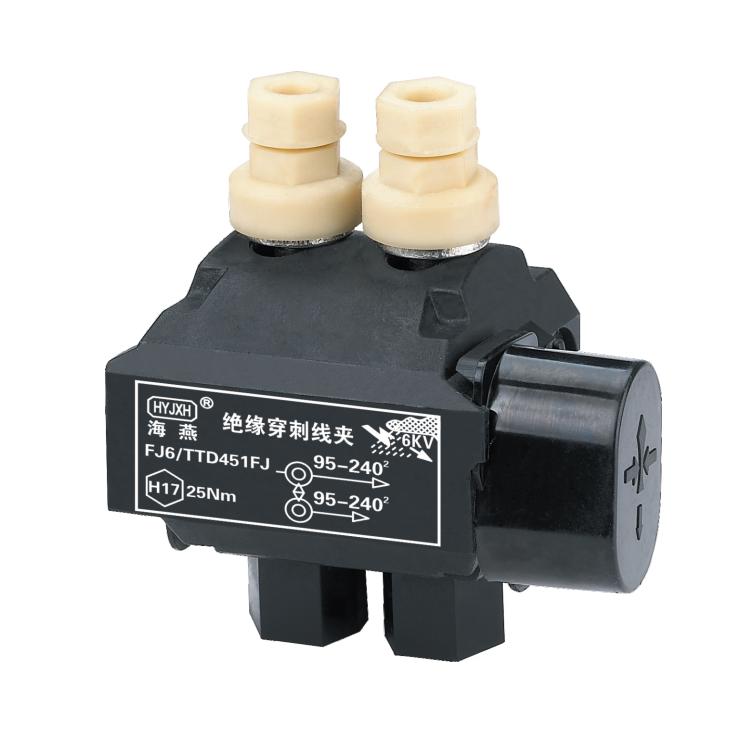 |
| ||||||||
 |
|
Installation and Operation
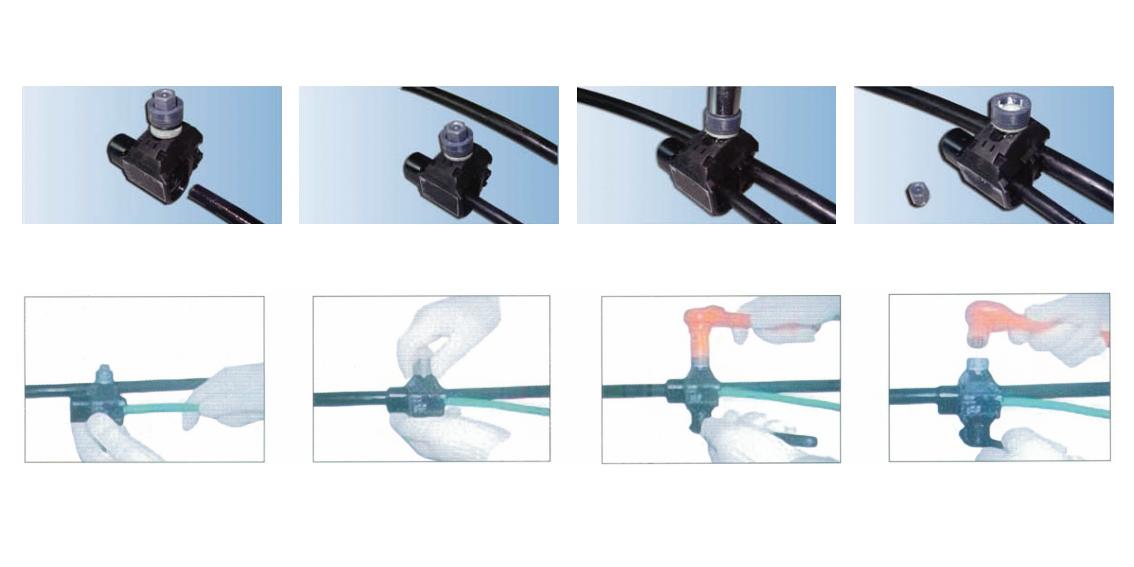
- Verify that the connector model matches the conductor size prior to installation.
- Suitable for single-layer insulated conductors; the connector may be removed but must not be reused.
- Conductors shall be clean and free from damage; preheat insulation if ambient temperature is below –10 °C.
- Adjust the branch end-cap position according to the branch cable insertion direction.
- Insert the branch conductor fully into the end-cap until it engages the internal sealing element.
- Position the connector at the tapping point on the main conductor and hand-tighten the top nut to secure it in place.
- Tighten the shear-head bolt using a socket wrench only; for dual-bolt models, tighten alternately.
- Continue tightening until the shear-head breaks off, indicating correct torque has been achieved. Supporting the lower body with a secondary wrench will reduce installation effort.